
by John Moore Museum | Oct 14, 2023 | Story, Uncategorised
A Mark in Time By Angela Dunsby Throughout history, people have been afraid of the supernatural and witchcraft. The idea that a person could be cursed or attacked by an invisible enemy was terrifying for many people, and a solution was needed. And what...
by John Moore Museum | Sep 22, 2023 | Uncategorised
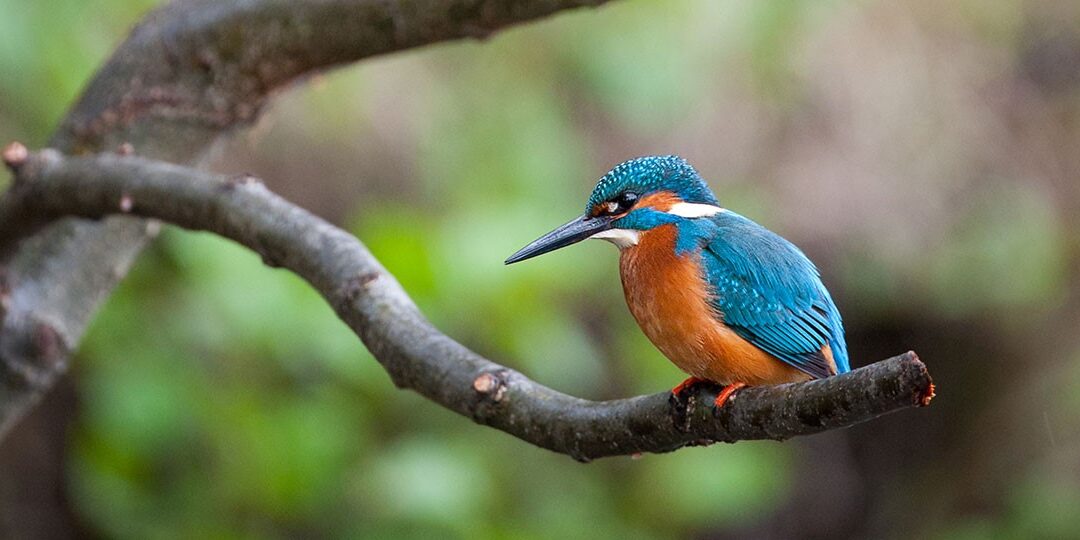
Kingfisher (Alecdo atthis) By Chris Thorley Description If you are walking by a river or lake and see a flash of colour fly by then you can be sure that it is a kingfisher. Kingfisher species worldwide are known for their brightly coloured iridescent...
by John Moore Museum | Jul 12, 2023 | Uncategorised
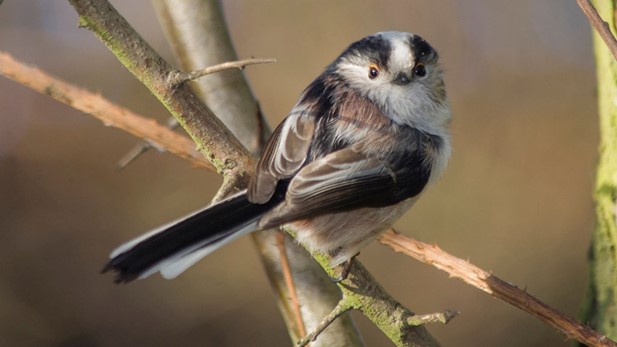
Long tailed tit (Aegithalos caudatus) By Chris Thorley Description The long tailed tit is one of the UK’s smallest (and most adorable) birds. They are only 14cm long (a lot of that length is their long tail which is longer than their body) have a 16-19cm...

by John Moore Museum | Jul 12, 2023 | Uncategorised
The Elder By Alison Brooke According to many sources, the “flowers of June” are the rose and the honeysuckle, both of them lovely in their own right and capable of bestowing upon their immediate environment both beauty and scent. However, June is the most...

by John Moore Museum | May 18, 2023 | Uncategorised
The Hawthorn By Alison Brooke “You might say that the Hawthorn bush, plus old John Spiers ancient craft, is responsible for much of the character and individuality of the English scene.” – (John Moore, “The Countryman’s England”, 1939)...

by John Moore Museum | Dec 16, 2022 | Story
Bees By Philip Burrows What are bees?: Bees are winged insects closely related to wasps and ants, known for their roles in pollination and, in the case of the best-known bee species, the western honey bee, for producing honey. Bees are from a...
by John Moore Museum | Dec 12, 2022 | Story
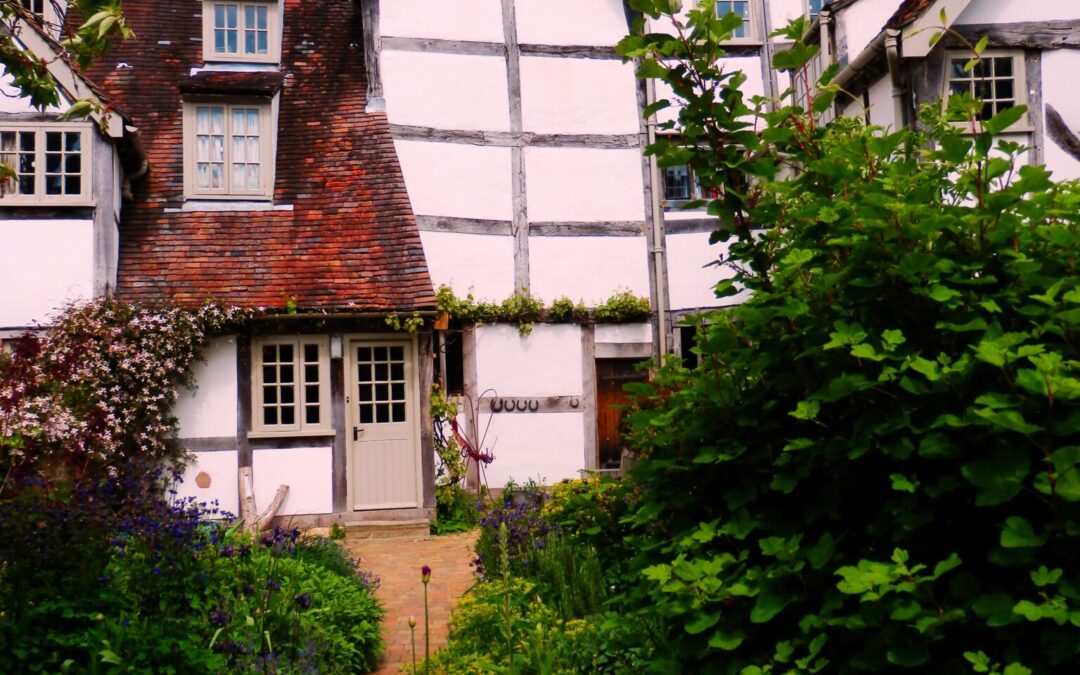
Volunteering at a Local Museum By Bee Ray-Smallcalder Bee is the newest member to join the John Moore Museum’s volunteering team. She is currently a placement student with the CCRI (Countryside and Community Research Institute), and volunteering at...

by John Moore Museum | Nov 12, 2022 | Story
Great Cormorant (Phalacrocorax carbo) By Chris Thorley Cormorants are most closely related to gannets, boobies, and frigatebirds all of whom have a similar lifestyle of diving for fish. Although the names cormorant and shag are often interchangeable, in...

by John Moore Museum | Oct 15, 2022 | Story
Tudor Fashion and Clothing By Amelia McGarvey When considering Tudor period clothing, people are most often drawn to think of large ruff collars, thick white makeup, long silk gowns, clothing with pleats and folds and layers, and generally the extremes of high...

by John Moore Museum | Sep 22, 2022 | Story
The Buzzard – (Scientific name-Buteo buteo) By Museum Assistant Angela Dunsby The buzzard comes from the family of birds, which includes kites, hawks and eagles. It is the commonest and most widespread bird of prey in the UK, pushing the kestrel into...

Recent Comments