

The Doctrine of Signatures
By Kirstie Bingham
For thousands of years, humans have looked to nature to provide medicine for a wide range of ailments. But how did our ancestors know which plants to pick? People have used a plant’s appearance to divine its medicinal properties. This concept is called the “doctrine of signatures”, and it degrees that plants which resemble the condition or body part, can in some way treat or alleviate the illness. If we follow that thinking, then walnuts, which look like brains, will ease headaches and madness; and the scarlet roots of bloodroot could treat diseases of the circulatory system.
This concept has been around since ancient times in cultures all over the world. Dioscorides, who practiced and wrote about medicine in ancient Rome, recorded in 65 AD: “The Herb Scorpius resembles the tail of the Scorpion, and is good against his biting.” By the medieval period, this was a popular belief, with many believing that God had deliberately made these signatures in the leaves, flowers, roots or juice to help cure the ailments of mankind. The Swiss Physician, Paracelsus, popularised the concept across Europe, that similar could cure similar. In 1684, William Coles declared:
“Though Sin and Sathan have plunged mankinde into an Ocean of Infirmities, yet the mercy of God which is over all his works, maketh Grass to grow upon the Mountains, and Herbs for use of man, and hath not only stamped upon them a distincte form, but also given particular Signatures, whereby man reade, even in legible characters, the use of them.”
Nevertheless, the doctrine of signatures did have critics, with some stating that it was merely a poor stand-in for deeper knowledge of plants and plant medicine. Dutch physician Rembert Dodoens wrote in 1583, that the doctrine “is so changeable and uncertain that it seems absolutely unworthy of acceptance.” The doctrine was also applied differently across the world. Traditional Chinese medicine asserts that plant roots can be used to treat internal ailments, while the above ground flowers, leaves, and seeds can better treat external conditions, such as upper-respiratory problems.
Doctrine of Signatures Examples
Ginseng
Ginseng is an Anglicization of the Chinese word for “man-root” or “man-essence,” and its Latin genus name Panax means “cure-all” or “panacea.” The plant’s signature is easy to divine: its root looks like a man and is therefore thought to aid and strengthen all parts of the body.

Ginseng
Heart’s Ease (Viola tricolour)
The upper portion of the flowers was thought to resemble the upper lobes of the heart, making it the go-to herb for all problems related to the heart. Heartsease was once prescribed for use as a general heart tonic and to help ease the emotional pain of a broken heart.

Heart’s Ease
Liverwort (Hepatica nobilis)
The leaves vaguely resemble the shape and colour of the liver thus this plant was utilized to treat liver ailments. Although it is not often prescribed in the modern-day, liverwort is occasionally used as a general liver and digestive tonic.

Liverwort
Lungwort
The spots on the leaves of this plant resembled diseased lung tissue thus indicating that this herb could be used to help cure lung ailments. An infusion of lungwort is often prescribed by modern herbal practitioners to help in cases of bronchitis and asthma.
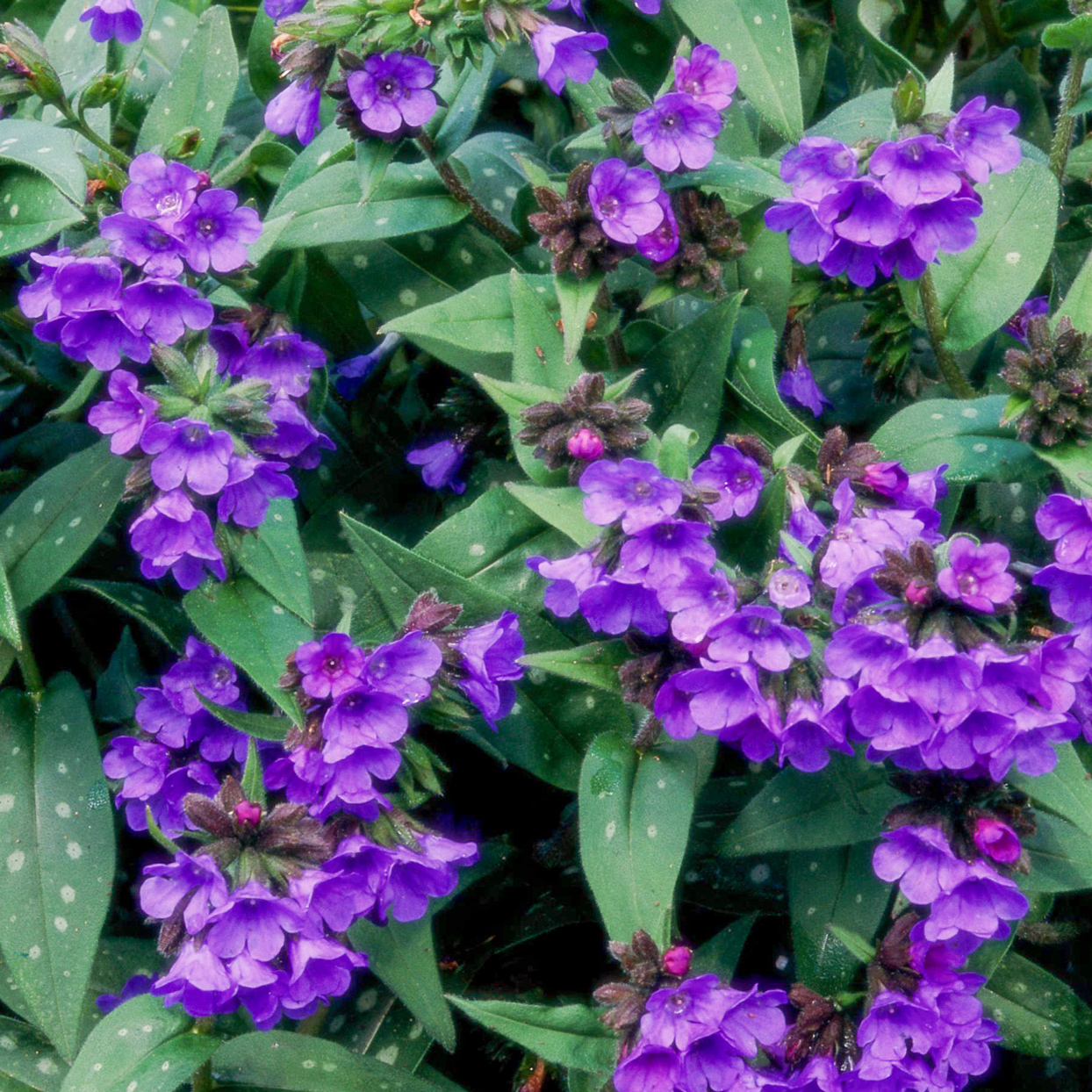
Lungwort
Maidenhair Fern
This plant has been used to treat hair problems, with the plant being decocted and either drunk or poured on the hair.

Maidenhair Fern
Mushrooms
Sliced mushrooms resemble the human ear, so are ancestors believed these were the perfect vegetable to cure your earache.

Sliced Mushrooms
Pomegranates
The fruit of a pomegranate resembles a human’s jaw and teeth, so this was the perfect remedy for toothache.

Coloured ink drawing, c. 1923, after G.B. Della Porta. In the Wellcome Collection
Willow (Salix species)
Herbalists of the past observed that the willow tree grew in damp and moist environments. Thus, according to the Doctrine of Signatures, willow bark was recommended for anyone suffering from rheumatic complaints, which were often aggravated by damp conditions. Later in the timeline of history, the inner bark of the willow tree was found to contain salicylic acid. Salicylic acid was first synthesized in 1838 as the basis of our modern-day aspirin tablets.
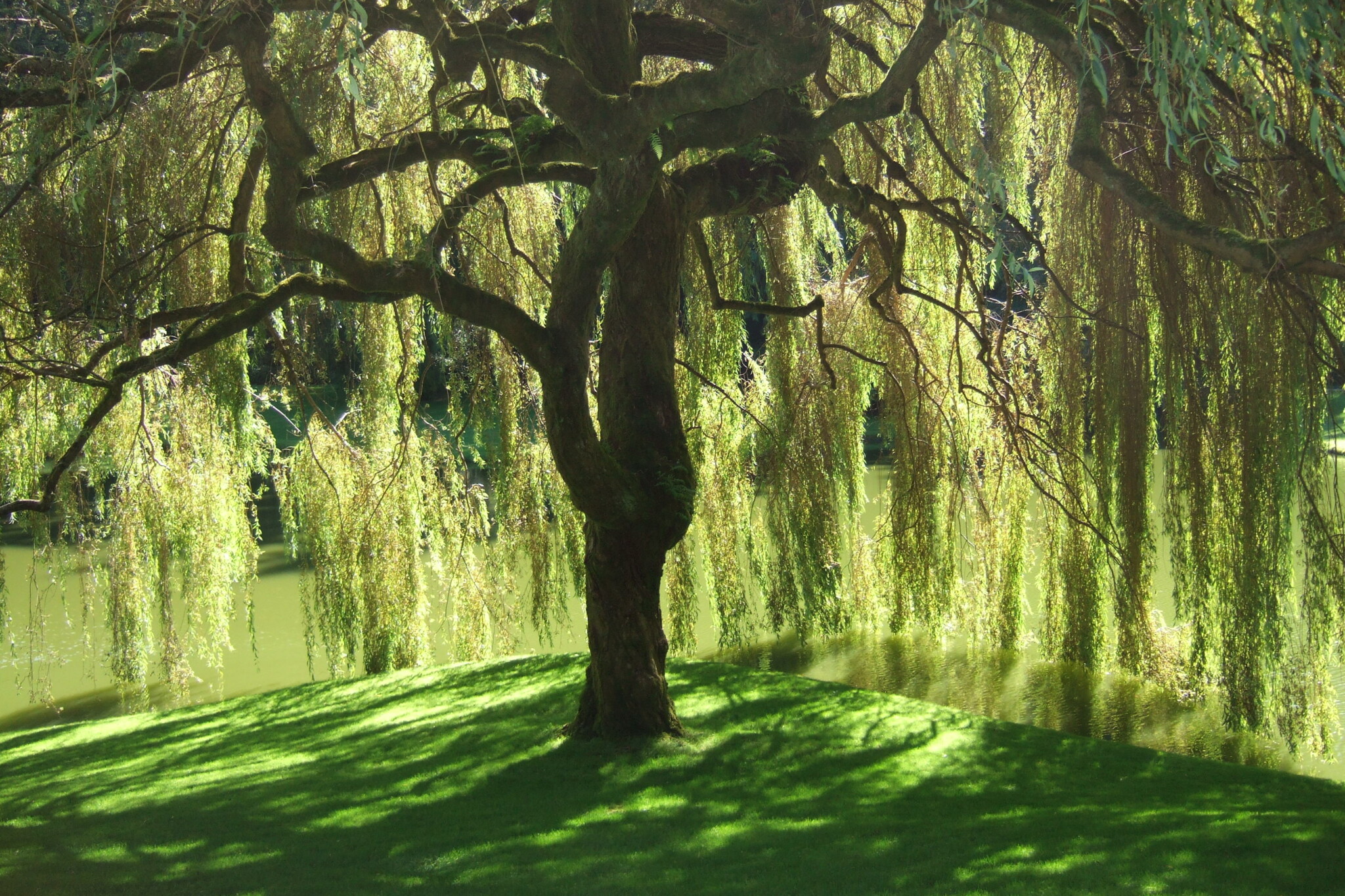
Willow Tree
Did the doctrine of signatures actually save any patients? Truthfully, the doctrine of signatures did sometimes prove fatal, when wrong dosages and plants were used to treat an illness. If the patient did not recover, it was simply regarded as “God’s will”. However, some of the cures did work, and these signature plants are still used today to treat illnesses. We need to remember that the majority of the population in ancient and medieval England would not have had access to medical assistance, so many would have been comforted knowing that God had left signs for them to cure their sick loved ones.
beautiful