
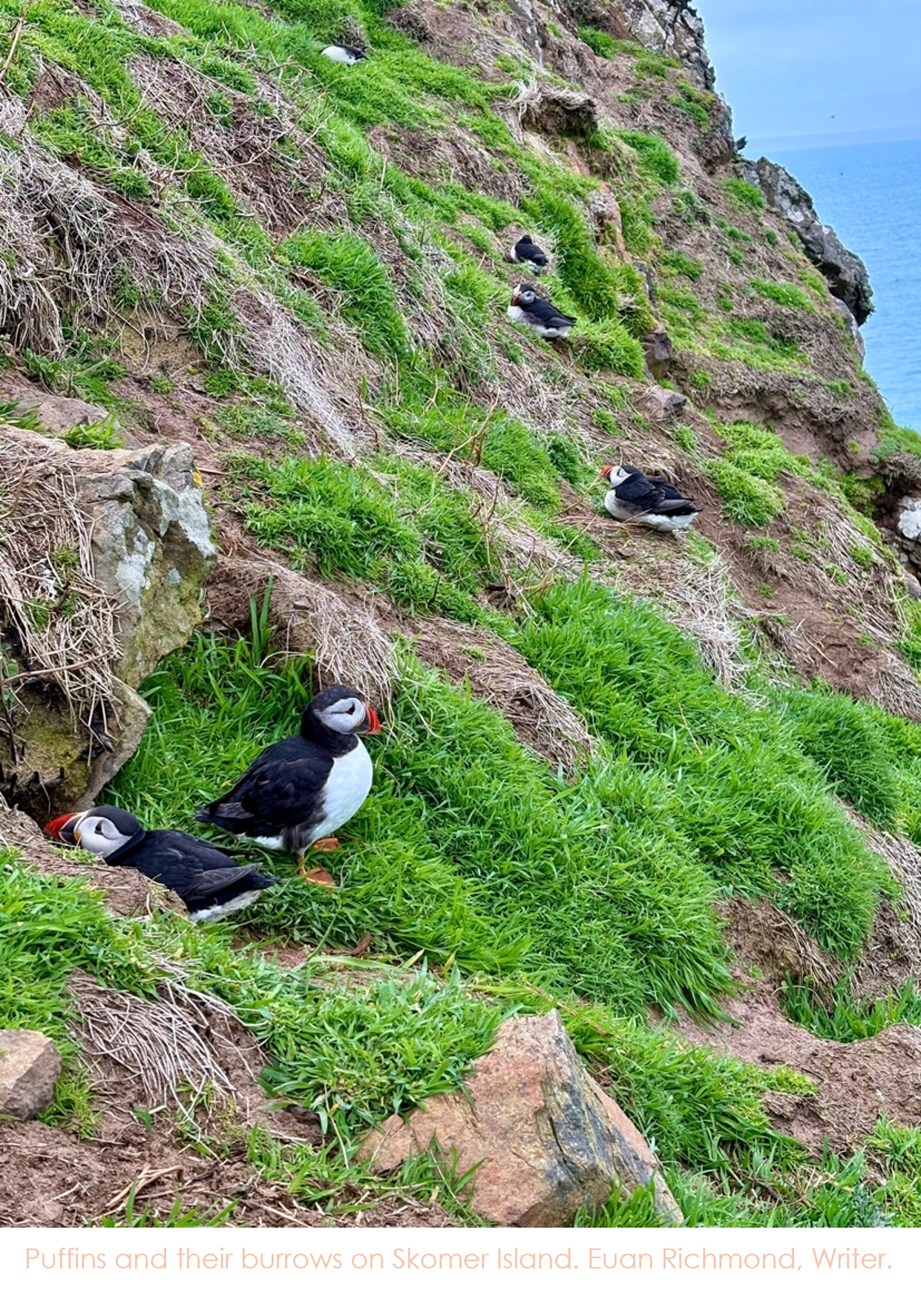
When I thought of Wales, images of its mountain ranges came to mind, not the seaside. However, six days in Pembrokeshire, in early April, taught me there’s a lot more to Wales. Centred around a Fields Studies Camp (FSC), I acted as the Marine Biological Association (MBA) mentor for the A-Level students. This was exciting as I’d never worked with teens or volunteered outside of Tewkesbury.
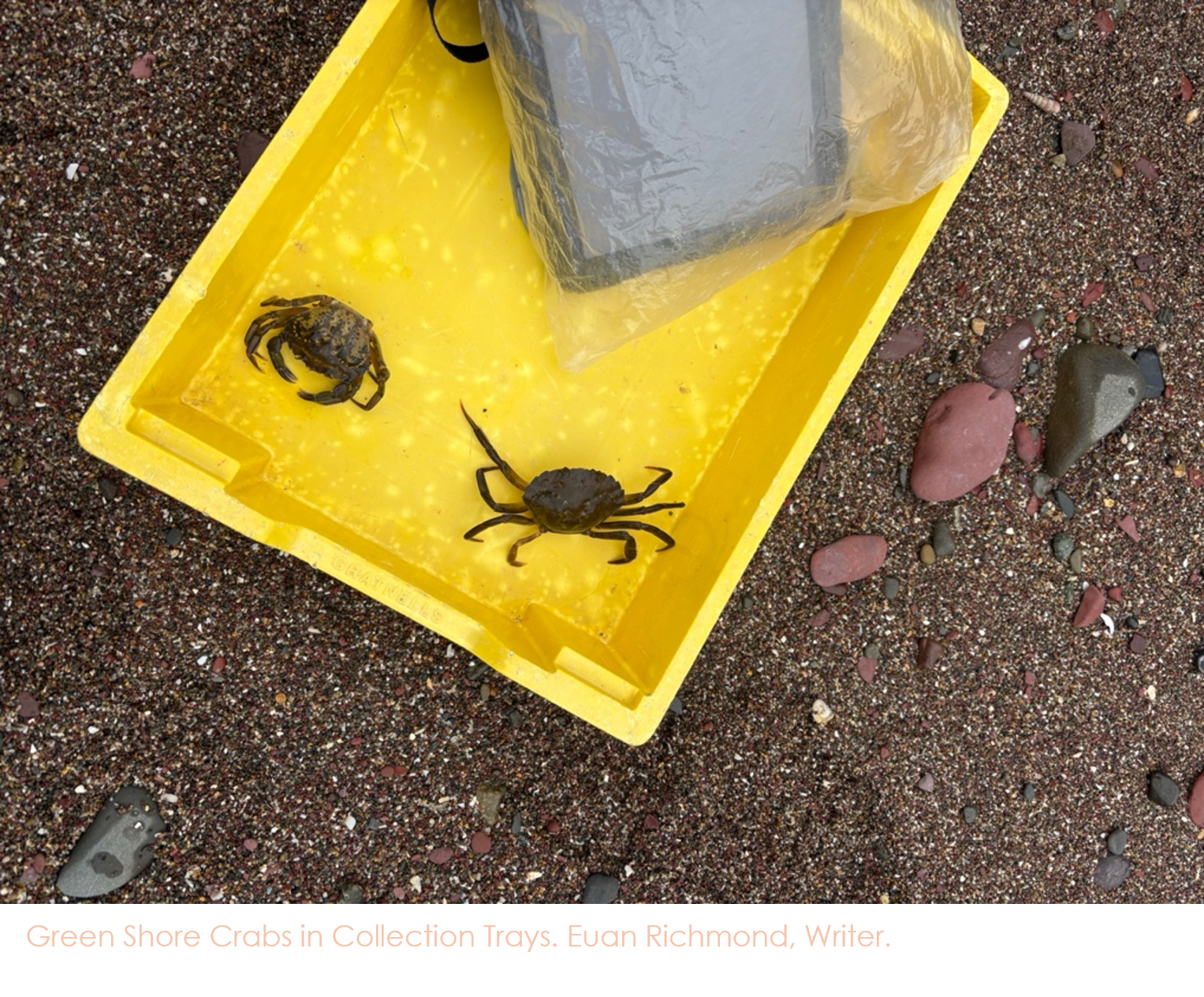
My group began our trip scouring rocky shores for crabs. By mid-morning, we’d discovered both edible (Cancer pagurus) and green shore crabs (Carcinus maenas), which fought with each other in our collection trays.
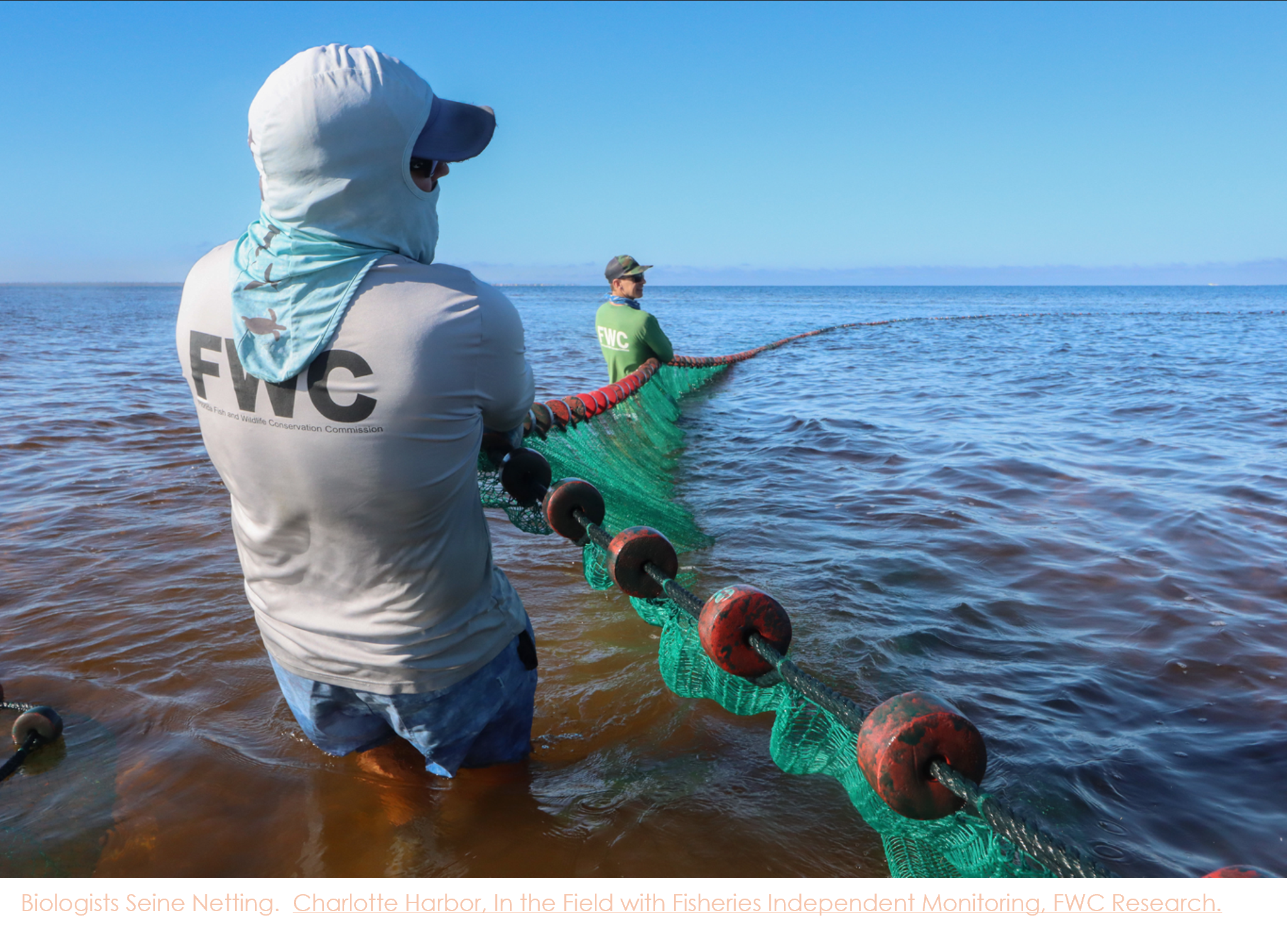
Despite the weather, the high school students were eager for more. So we all wore unflattering waders for seine netting, a practice to catch fish and small invertebrates for field identification.
The following days involved more field trips and daily talks focusing on marine biological concepts; some evenings had guest presenters such as Project Sea Grass, an environmental charity.
I gave a presentation describing my experience as a marine biology student at Southampton, covering key topics taught at university. To encourage participation, I asked questions including “Why do you think sharks have mineralised jaws [strengthened by minerals like Calcium] but still have skeletons made of cartilage [a strong and rubbery body material]?” The answer is to remain lightweight and boost predation efficiency. I enjoyed asking these questions to encourage them to think as scientists.
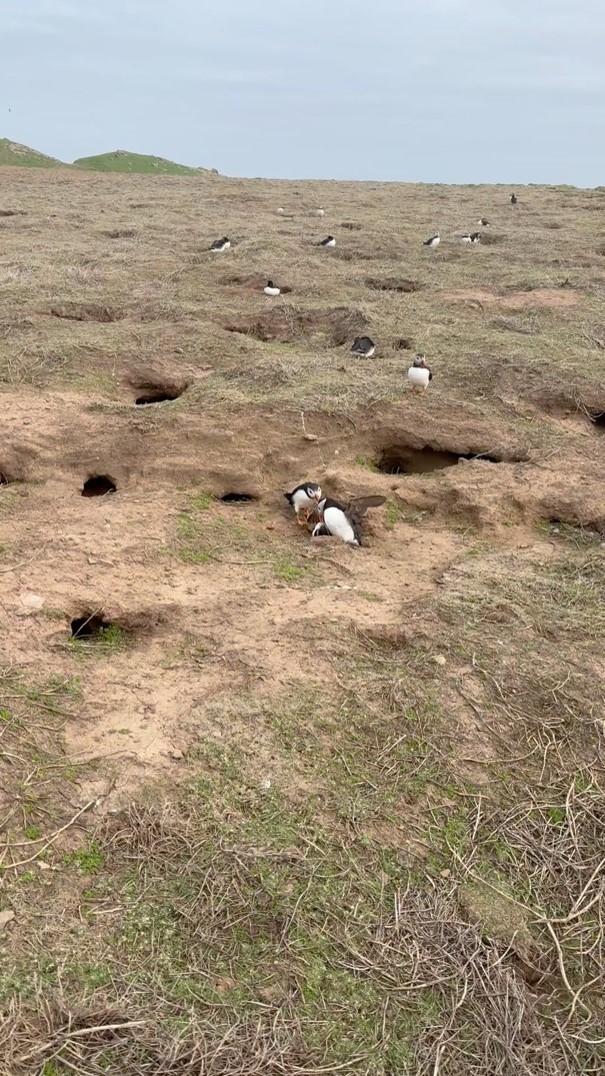
Like most, I had watched David Attenborough’s Wild Isles. So, it was most exciting to travel to Skomer Island, a feature of the documentary. Immediately after landing on the island, we were greeted by hundreds of puffins (Fratercula arctica) all posing for photographs. This was unexpected, as only a few were nesting the day before. Besides puffins, we saw a pod of harbour porpoises (Phocoena Phocoena), razorbills (Alca torda), and dozens of jet-black rabbits, a phenomenon rare on the mainland due to predation.
Many from the camp left with a deeper understanding of marine life. However, this experience reignited my passion for marine biology, reminding me why I chose it as a degree. I recommend anyone interested in nature to dive deeper into conservation outside of Tewkesbury through the MBA or FSC.
Links to Organisations Mentioned:
- Field Studies Council (FSC): https://www.field-studies-council.org/?utm_source=bing&utm_medium=cpc&msclkid=24d484cc149715e5bd0aee7fde04e634
- Marine Biological Association (MBA): https://www.mba.ac.uk/
- Project Sea Grass: https://www.projectseagrass.org/
Recent Comments