
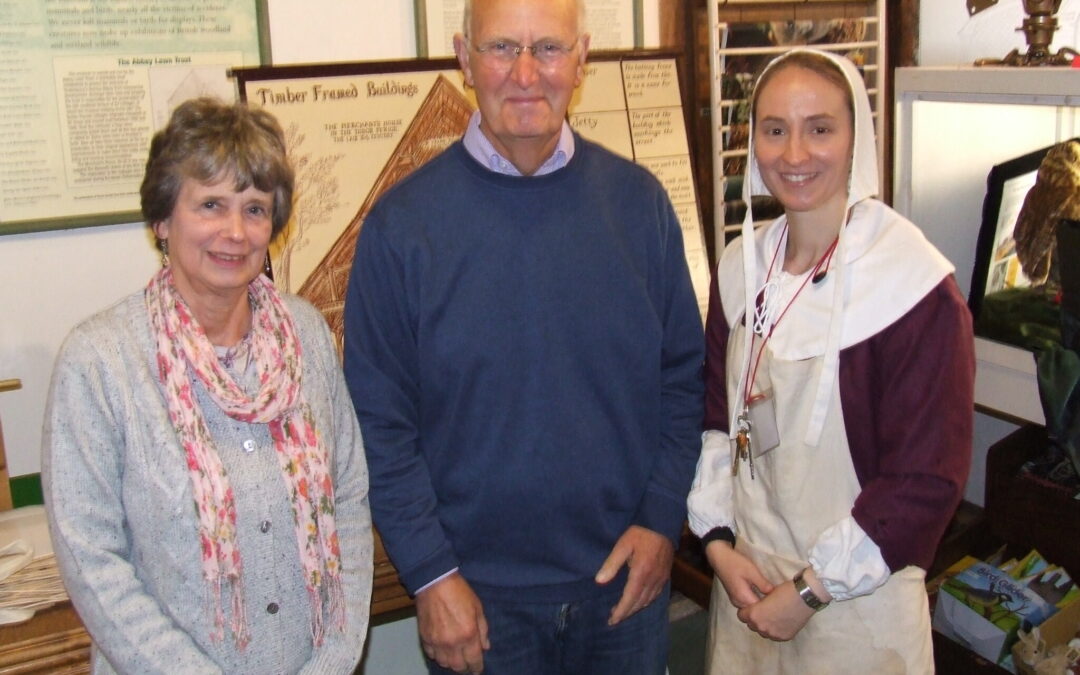
Meet the Team: Learning and Access Officer
During this time of isolation and social distancing, relying on digital technology to communicate has never been more important, and we wanted to help curb any loneliness and boredom with a series of blogs about our team. The team were asked a series of questions to answer so you can get to know them better. Next time you visit our museum in Tewkesbury, perhaps you’ll remember the name and the face of one of our staff members, helping you feel more connected to our property.
So without further ado, let us introduce to you…
- Name
Kirstie Bingham
- What is your position at the John Moore Museum (JMM)?
I am the Learning and Access Officer.
- How long have you worked at the museum?
I joined the team in August 2018. It really doesn’t feel like I have been at the museum for two years already, time has flown by.
- What is your favourite thing about working (or best memory) at JMM?
I love the variety of the job; you rarely have two days the same. One day I might be dressed in costume to give a talk; or I might be leading a school session; or I might get to see some live animals in an event (pipistrelle bats are really cute up close!)
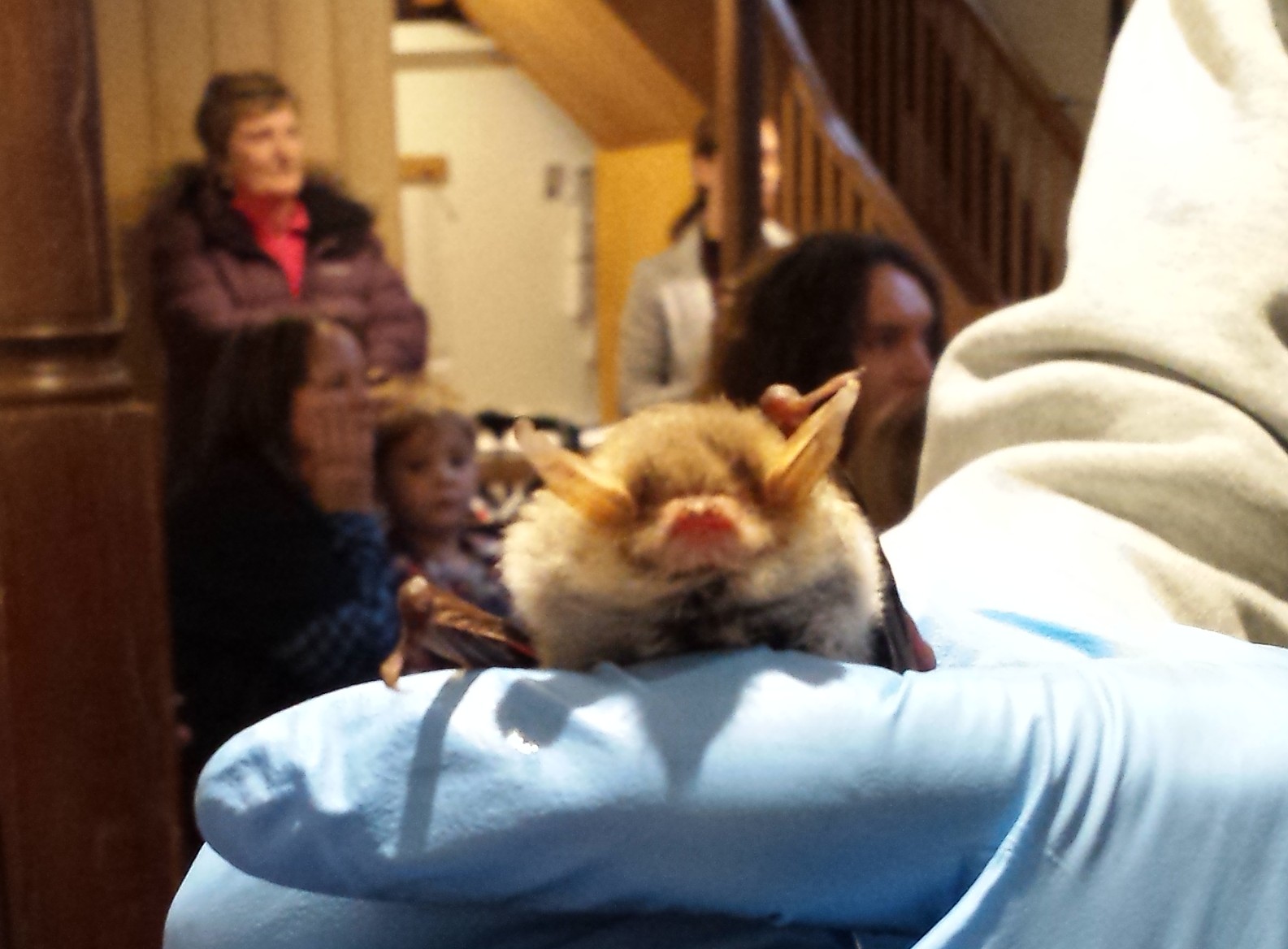
Discovering Bats Day
- What is your favourite quote by John Moore?
There is something about John Moore’s writing that is utterly charming, so choosing a single quote proved a lot more difficult than I first thought. However, I could never forget this quote and I wish I could have been there to see everyone’s reaction.
“Even in uniform, during the war, I was permitted to carry a butterfly-net without being court-martialled… Having landed at Ely, to the astonishment of all I pulled a large net out of the cockpit; but as I was in naval uniform the R.A.F. were too polite to put me under arrest.”
John Moore never rated his own poems, but I have a soft spot for his poem A Snowfall:
A Snowfall
“One Winter night when all folks lay in bed,
(Outside ‘twas cold, the sky was grey o’erhead)
A drop of rain, in falling from the sky,
Congealed in falling, for ‘twas cold up high.
And then a cold North-wind began to blow
Which blew it downwards to the earth as snow.
Then fell another, then again a third,
Fluttering like feathers from a wounded beard.
Then more and more, unto the ground they swarmed,
And lo! Next morn the whole scene was transformed!
Gorgeous and glittering – a wond’rous sight –
And still, and soft, and of a spotless white!”
- What is your favourite object in the museum’s collection?
Hands-down it has to be the Tooth-worm Killer, I just love the story behind this artefact. Our late medieval ancestors believed that in every one of our teeth lived a worm, called a cavy worm, which is where we get the term cavities from today. This barber surgeon’s tool was the perfect apparatus to kill that pesky tooth-worm and give some needed relief from toothache.
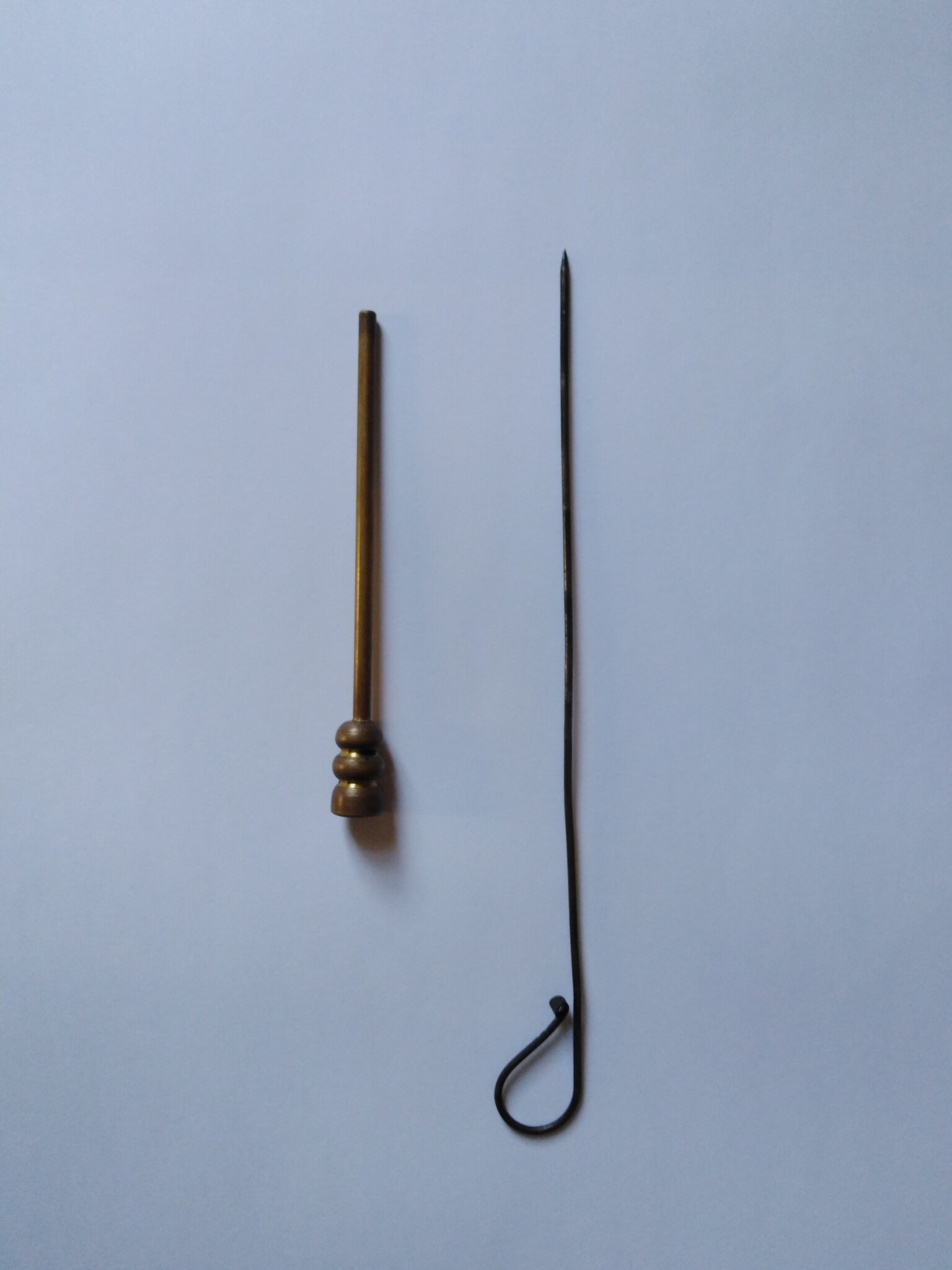
Tooth Worm Killer!
- What do you do during the closed winter season?
People often wonder what goes on during the closed season, and they often assume that not much happens at all. It is true that we drink tea and eat biscuits, I’m fairly sure that my mum thinks I mainline tea since I need regular cups; but I promise you, that is not the whole story. Although we don’t have regular visitors coming through our doors, we are kept busy in other ways. The majority of my project work is completed during these months; including new school workshops, talks and loan boxes. The winter is also the perfect time to bring the whole team together, so we can host training sessions and evaluate how the season went. On top of this, we still host school and group visits, since it allows the group to have private viewings of the site. I hope this helps to give an idea as to what happens behind the scenes.
- What is the most memorable museum moment you have experienced? (It doesn’t have to be from your museum)
When I was on holiday in Berlin, I visited the Jewish Museum. There is one point where you reach a long plain corridor, and the floor is completely covered with thick metal disks. Each disk is carved with a human expression of pain, sadness etc. As a visitor, you have to walk along this corridor, stepping on the faces as you go, and with each step, the faces under your feet shift and screech. The noise of the shifting disks and the sight of stepping on the faces creates a visceral feeling in you. It isn’t comfortable, and truth be told I wanted to leave that section as fast as possible. But as a museum exhibition, it is incredibly clever. It makes you feel and understand in a physical, emotional and intellectual sense, which is exactly what a museum should do. I believe a museum should leave an impression on you. History isn’t always pretty, and I don’t think we should shy away from the painful past, but learn from it too.
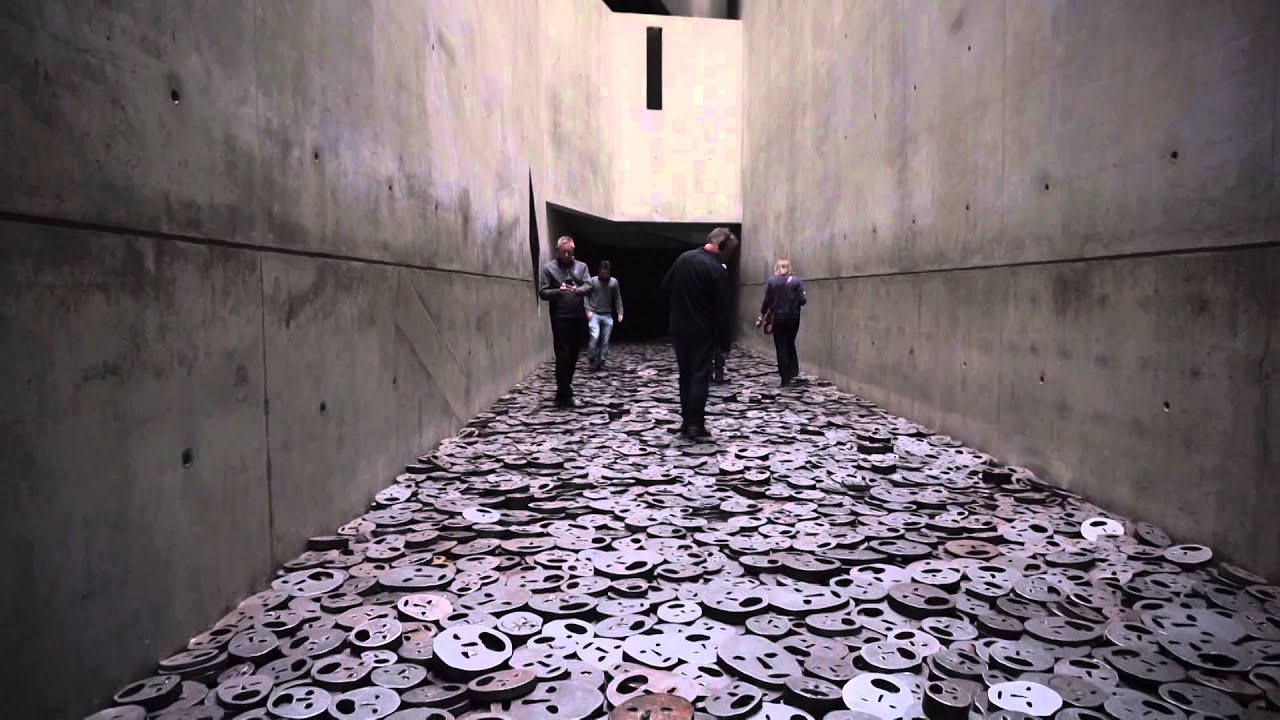
Jewish Museum in Berlin
- Why did you decide to work in the heritage sector?
I have always loved history, and I guess I grew up being a bit of a history geek. Visiting a heritage property and standing in the same place as our ancestors, creates a link with the past that no amount of books can replicate. It helps us to feel and experience a world or time that is different from what we are used to. I think it is important to protect our heritage sites, whether it be a castle, ruin, museum etc., because once gone, there is no replacing what we have lost.
As a Learning and Access Officer, I work closely with children and it is rewarding to see the children’s understanding and learning transform when visiting a heritage site. You can see wonder, incredulity, shock, horror (Dear God! No electricity or flushing toilet!), as they see, touch and smell the past. Working in the heritage sector is definitely one that I would recommend; it is a working environment like to no other.
- What project(s) or exhibition(s) can visitors look forward to seeing in the future at the John Moore Museum?
If you love natural history, then we have several new items of taxidermy that will be going on display in 2021, including a mink, polecat and raven.
I am looking forward to seeing the different designs that will be created in our rag rug project. Staff, volunteers and visitors will be able to work together to create a series of small colourful mats that can go on display. This is a very tactile, sociable and calming activity to participate in.
I plan to create a new temporary exhibition for the Old Baptist Chapel on the ‘naughty’ members of the Baptist congregation that were kicked out for various indiscretions, including walking funnily (drunkenness I assume) and great stubbornness.
Anyway, thank you for reading my blog and I hope to see you soon at the John Moore Museum. Take care until then.
Recent Comments