
Volunteering at a Local Museum
By Bee Ray-Smallcalder
Bee is the newest member to join the John Moore Museum’s volunteering team. She is currently a placement student with the CCRI (Countryside and Community Research Institute), and volunteering at a local museum plays a part in her personal development time.
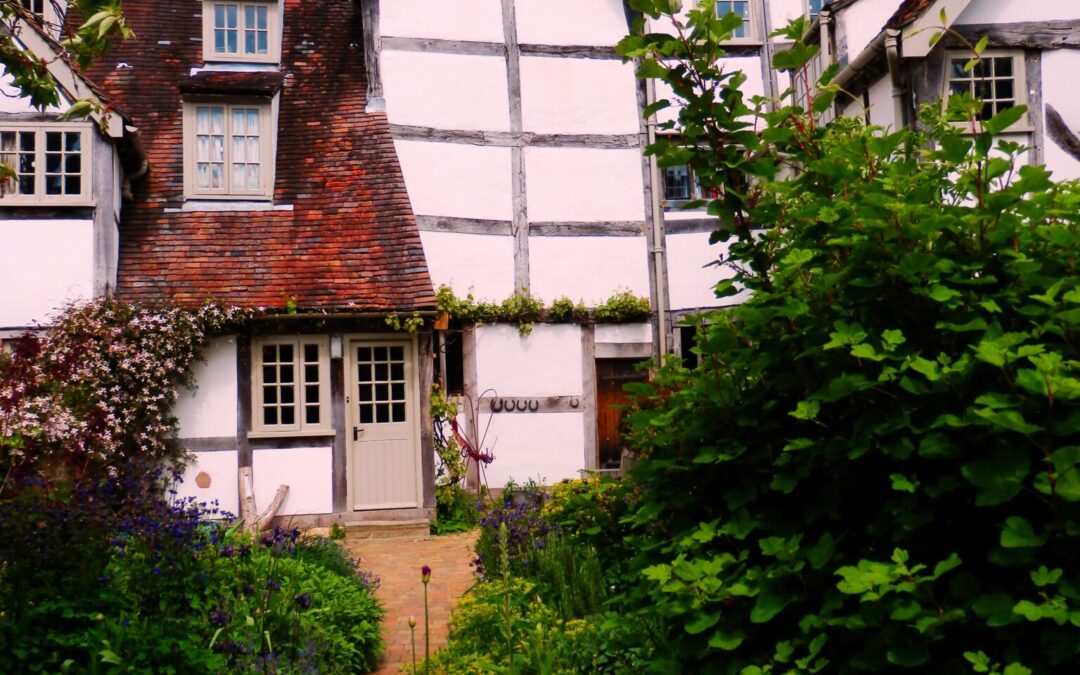
Living a few roads over from a natural history museum which is nestled in a row of 15th Century cottages seems about as quaint as it gets. Such are my current arrangements in Tewkesbury, providing the ideal place to spend my personal development time whilst working as the CCRI’s placement student.
To give a bit of context, the John Moore Museum was opened in 1980 as a memorial to the local writer, John Moore (1907-1967), who produced extensive works about the town and its local environment. Today, it houses items relating to the writer himself and the town’s history as a rural community, as well as a large of collection of taxidermy (many pieces created by a local artist in Stroud, Taxtiles, and all ethically sourced).
Unsure exactly what I’d be getting involved with, my first day was straight into inspecting some of their taxidermy specimens for evidence of insect damage and general wear. As an ecology student, getting so close to some of my favourite species like the Green Woodpecker is thrilling. Given that many of their pieces are older than me, most of them seem to be in surprisingly good condition, and the only individual we discovered with possible insect casings on was quickly condemned to time in the deep freeze.

Green Woodpecker
Going forward with the Museum, I’m keen to see how places like this help the public connect with natural history. Seeing creatures up so close when many species are so fleeting and skittish in the wild (or sadly greatly reduced in numbers, like the Red Squirrel) is a great way to introduce and enthuse people about the environment around them. In the new year, I’m also looking forward to getting involved with some of their outreach sessions in primary schools and subjecting some unfortunate taxidermy specimens to sticky fingers and inquisitive poking, as part of the Art Fund Wild Escape project.
You can visit the Countryside and Community Research Institute here, which provides details of exhibits, events and opening hours.
Recent Comments