
Meet the Team
During this time of isolation and social distancing, relying on digital technology to communicate has never been more important, and we wanted to help curb any loneliness and boredom with a series of blogs about our team. The team were asked a series of questions to answer so you can get to know them better. Next time you visit our museum in Tewkesbury, perhaps you’ll remember the name and the face of one of our staff members, helping you feel more connected to our property.
The Tuesday Duo!
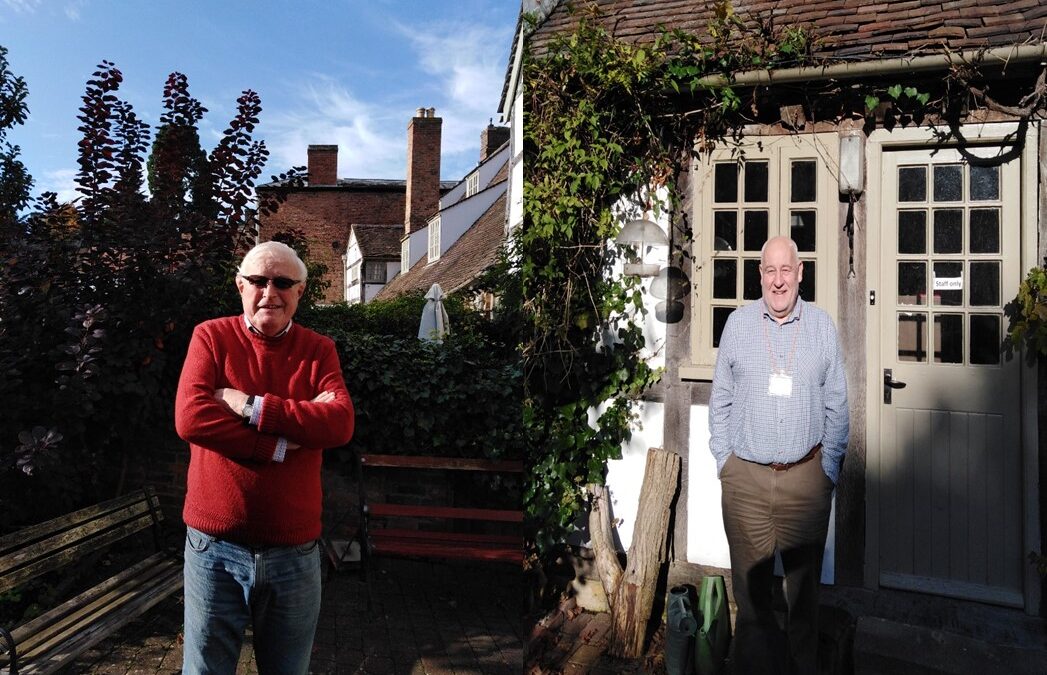
Tuesday mornings wouldn’t be the same without our volunteers, Mike and Martin. It is obvious to all that they are old friends, as they banter and joke with each other. They are fantastic guides, and you are guaranteed to have an enjoyable visit when they show you around.
So without further ado, let us introduce to you…
- Name
Mike Reid
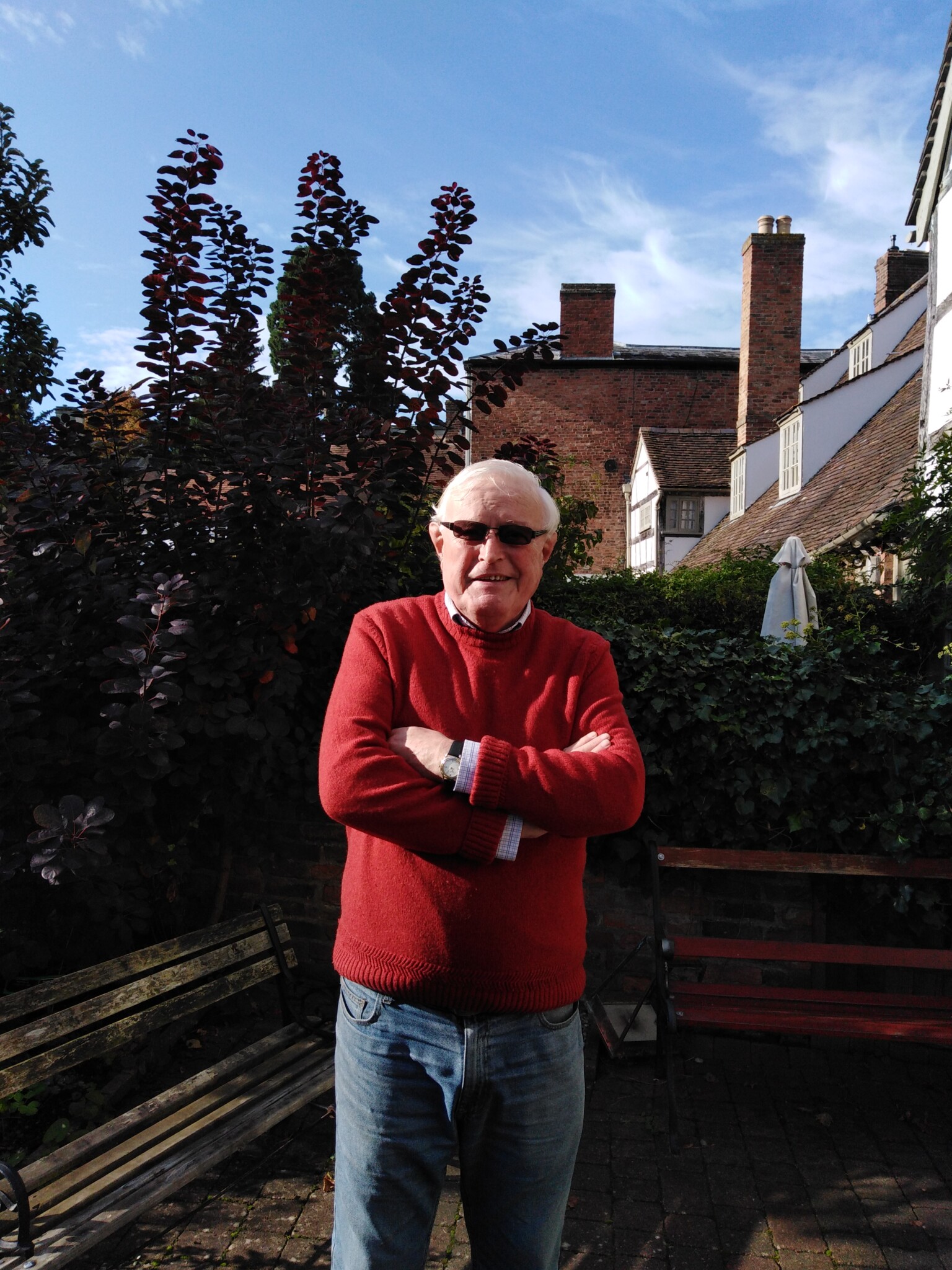
Mike Reid
- What is your position at the John Moore Museum (JMM)?
Volunteer Guide
- How long have you worked at the museum?
Volunteering since 2014.
- What is your favourite thing about working (or best memory) at JMM?
One meets some very interesting and informed visitors from a wide variety of backgrounds.
- What is your favourite quote by John Moore?
Confession time, I have not read any of John Moore’s books. I’ll do my time on the naughty step when the Museum reopens.
- What is your favourite object in the museum’s collection?
I like the accoutrements of the Civil War soldier of the New Model Army.

Powder Flask
- What do you do during the closed winter season?
Watching rugby, cycling and reading, together with a few pints keeps me amused in the closed season.
- What is the most memorable museum moment you have experienced? (It doesn’t have to be from your museum)
Memorable moments from my time in the Museum include; a chat with a carpenter on how the building of a wooden structure is pretty much the same today as in Medieval times, albeit with power tools to make the task less time consuming; and a chat with a retired Microbiologist who explained how the various plagues in the past were transmitted from person to person.
- Why did you decide to work in the heritage sector?
I decided to volunteer in the Heritage sector because of my interest in History.
- What project(s) or exhibition(s) would you like to see in the future at the John Moore Museum?
I would like to see a project that would identify and explain the trades/jobs that the 1st inhabitants of the row of cottages would have been involved in when the cottages were first completed.
Without further ado let me introduce you to the other member of the Tuesday Duo:
- Name
Martin Corrigan

Martin Corrigan
- What is your position at the John Moore Museum (JMM)?
Volunteer
- How long have you worked at the museum?
Started in April 2018.
- What is your favourite thing about working (or best memory) at JMM?
It’s all enjoyable, but the favourite must be the school workshops.
- What is your favourite quote by John Moore?
TBA
- What is your favourite object in the museum’s collection?
The Old Baptist Chapel. I think there’s two aspects of the OBC that put it top – I just like being in the building, the quality of light and space, and we know more about the story of who used it and for what. It links to a fuller narrative of social change.
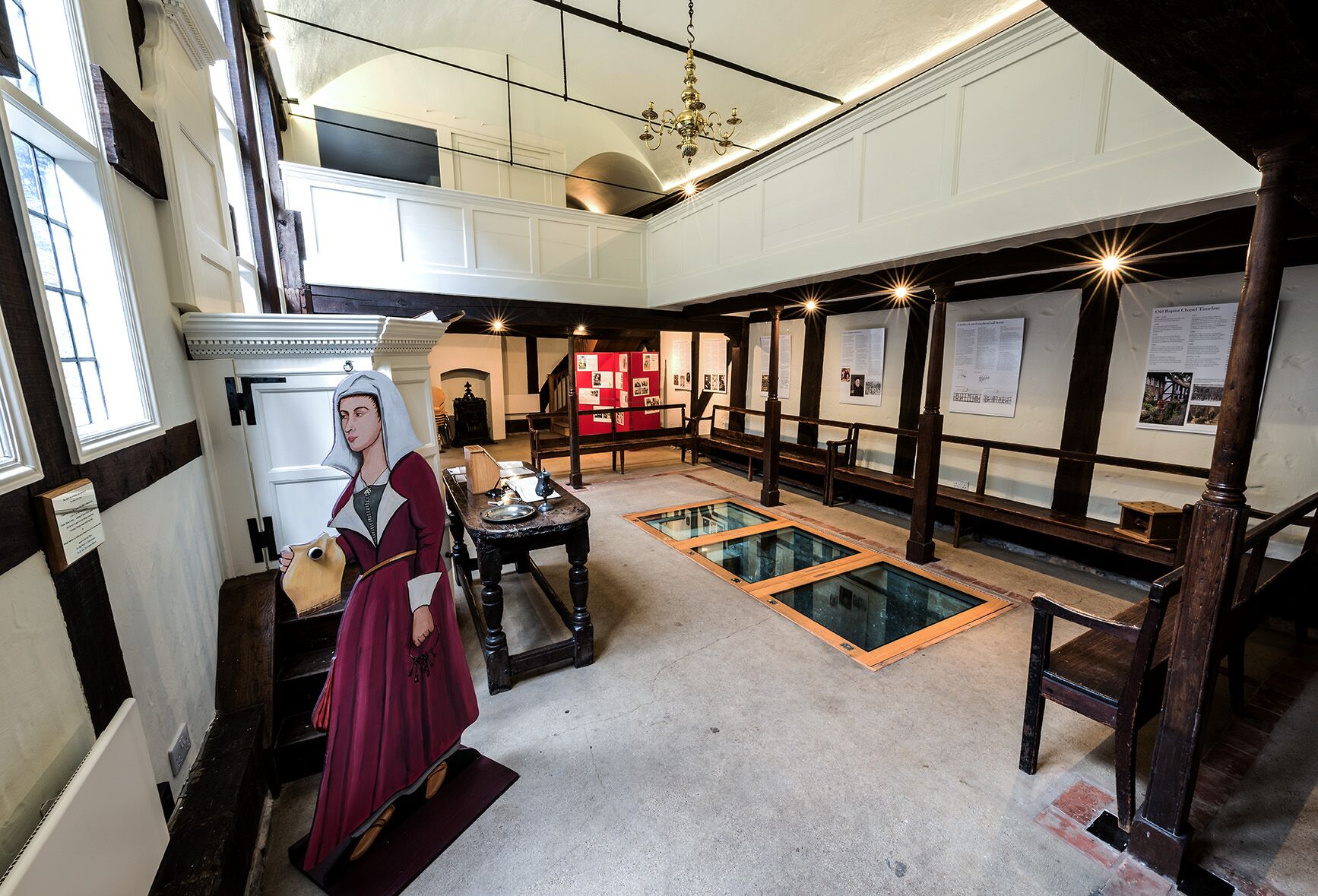
Downstairs of the Old Baptist Chapel
- What do you do during the closed winter season?
Watch rugby, cycle, when the big garden and old house let me.
- What is the most memorable museum moment you have experienced? (It doesn’t have to be from your museum)
Visiting the Ceide fields site – a large 5,000 year old settlement preserved under peat bog. It’s the scale and antiquity of the site. At 5,500 years old it’s the oldest known field system in the world. Because it was abandoned and buried in peat bog via climate change (an interesting parallel in itself) it’s very well preserved. The extent of the field system must’ve required a significant social organisation to create and maintain it. Historically it’s very new – discovered in the 1930s sometime – so although the walls of the field system have been investigated all the back story of use, habitation, and human occupation are still very sketchy so there’s plenty more to fill in. There’s a visitor centre and museum but most is outside, and you’re walking the same landscape that people did a millennia ago. Although places like Brú na Bóinne, Newgrange, Stonehenge and Avebury are ancient, they’re ceremonial sites not places of ordinary life.
- Why did you decide to work in the heritage sector?
Serendipity, an interest in history, knowing a volunteer and wanting to get to know Tewkesbury’s history.
10. What project(s) or exhibition(s) would you like to see in the future at the John Moore Museum?
Further investigation and documentation of the Old Baptist Chapel story.
Thank you for reading our blog from two of our brilliant volunteers. I hope you have enjoyed learning a little more about the team and we will continue to add more volunteer stories on our blog!
Recent Comments