
Geography
School Workshops
 For all other information about visiting including the all-important prices and timings, please see our Education Home Page.



Workshops
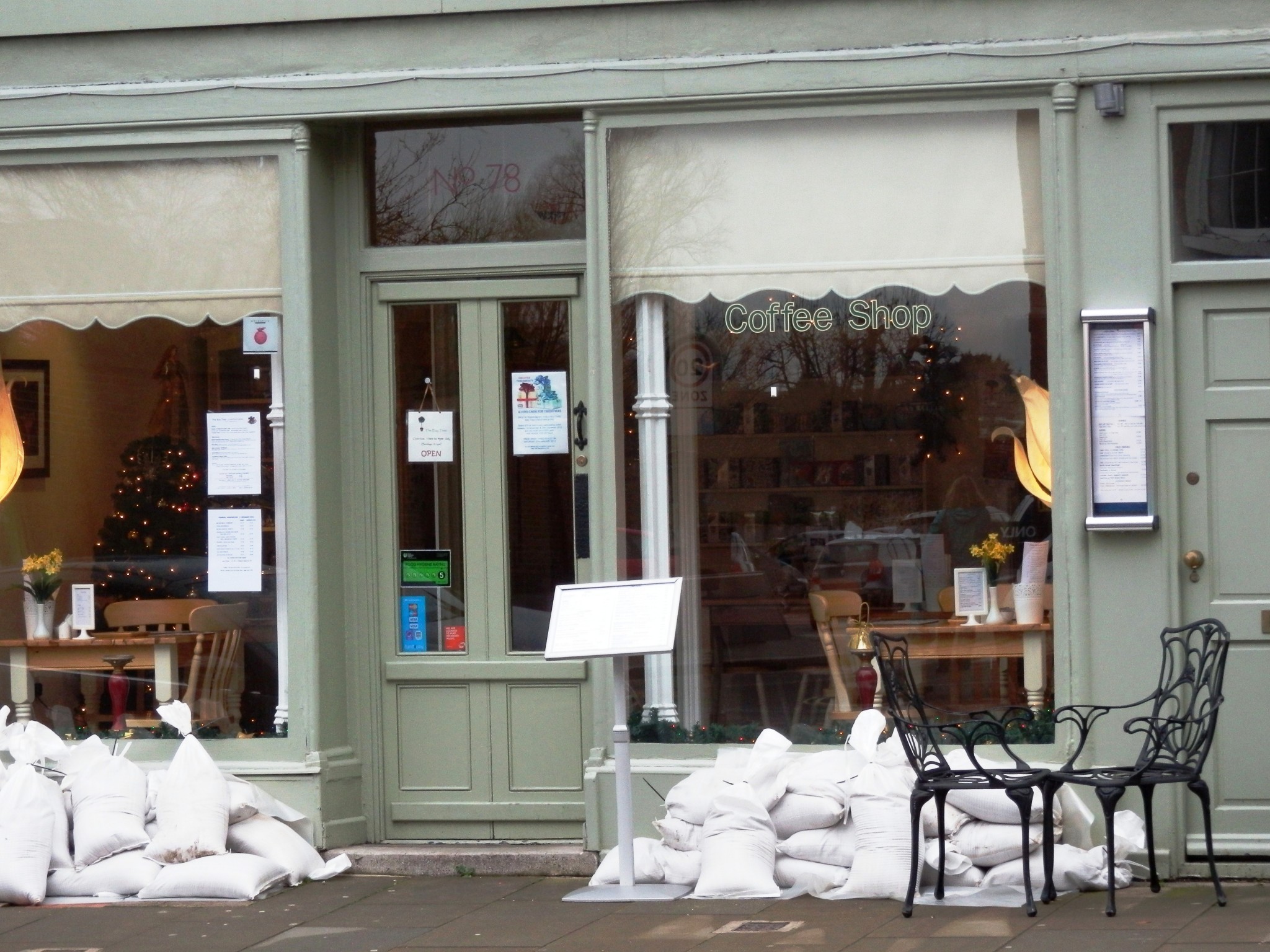
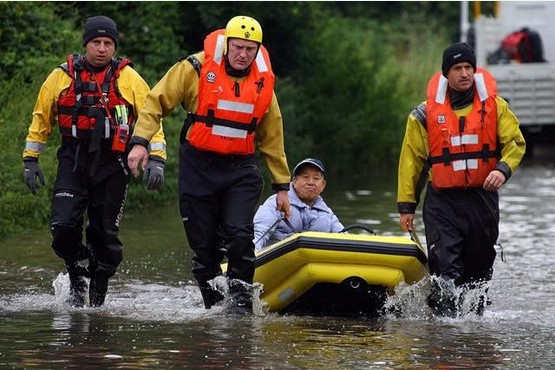
Flooding in Tewkesbury: a case study
Geography: Ideal for KS2 & KS3. For other years, please get in contact to discuss.
KS2: Describe and understand key aspects of physical geography, including: climate zones, biomes and vegetation belts, rivers, mountains, volcanoes and earthquakes, and the water cycle. Human geography, including: types of settlement and land use, economic activity including trade links, and the distribution of natural resources including energy, food, minerals and water
KS3 Human & physical geography, understanding how human and physical processes interact to influence and change landscapes, environments and the climate
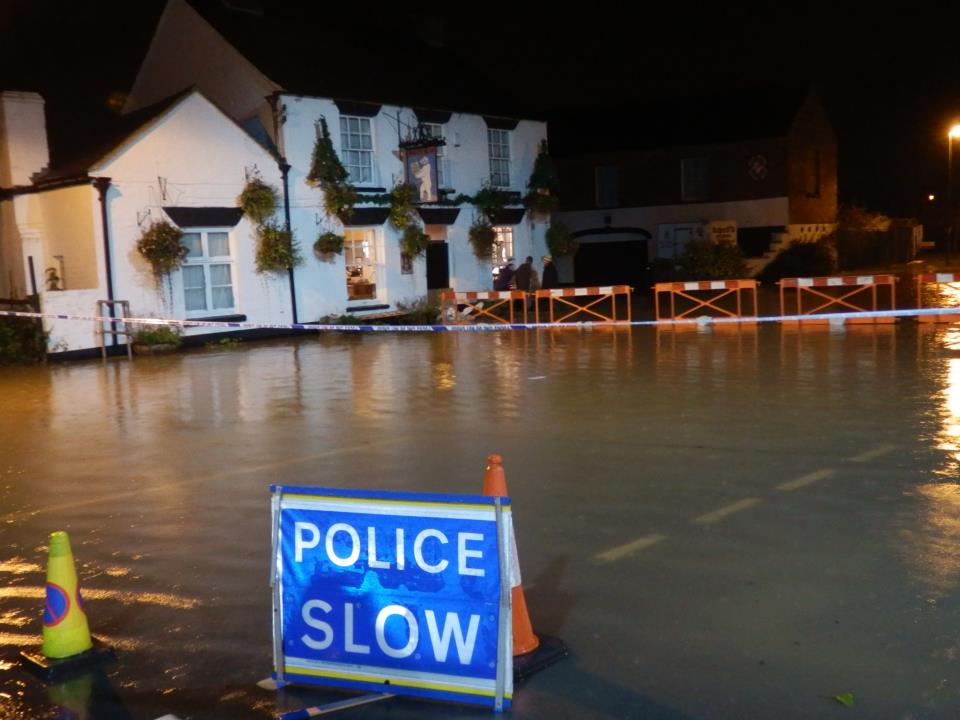
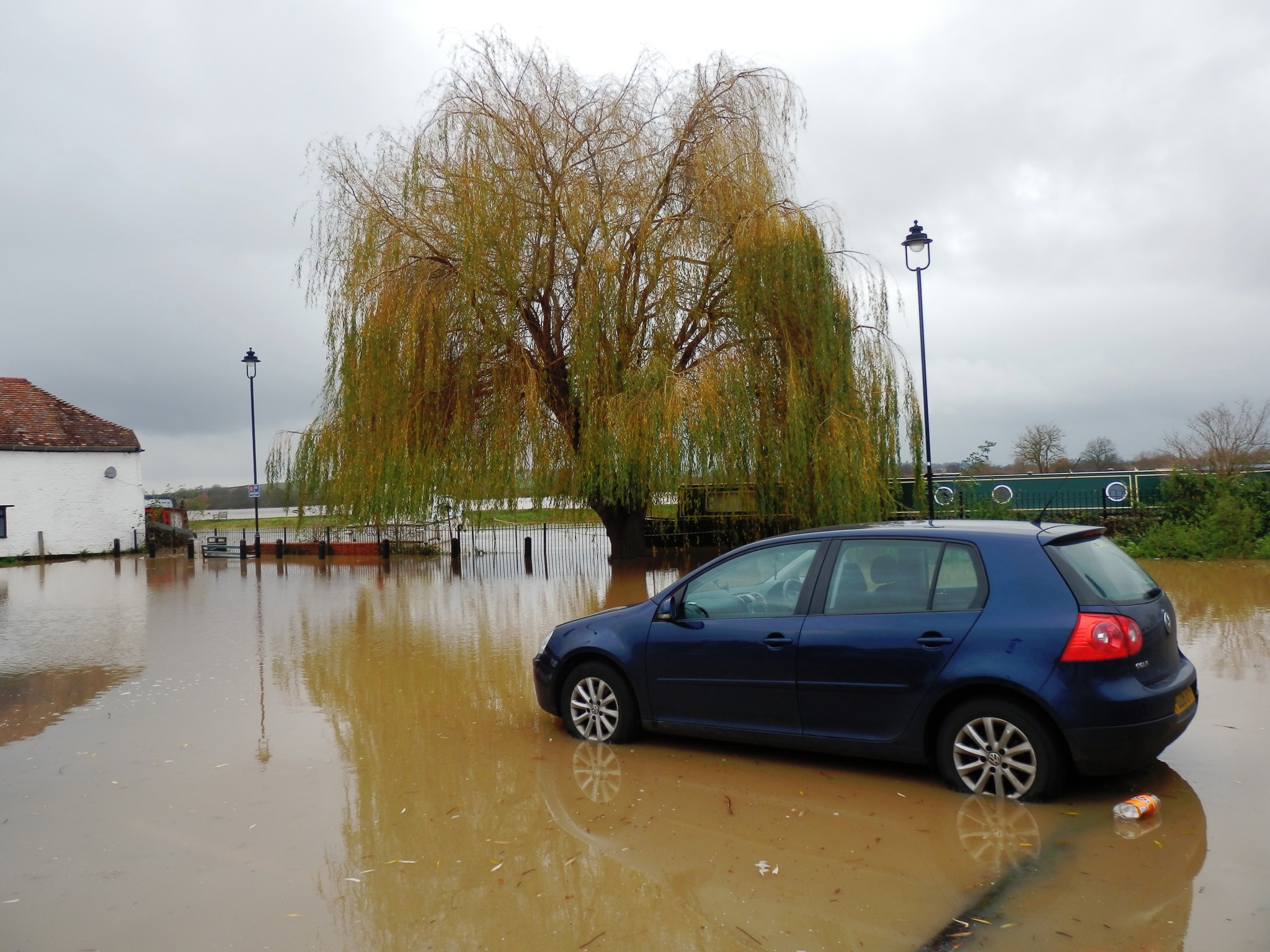
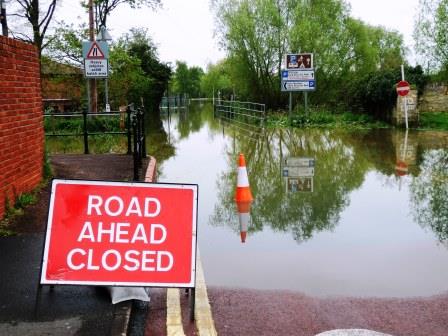
In July 2007, Tewkesbury was badly hit by floods which had a catastrophic impact on the town. The effects included the flooding of hundreds of homes and businesses, loss of power and water, and loss of life. Located between two rivers – both of which burst their banks – this session looks at the causes and consequences of the flood, as well as considering the larger issues of flood prevention and environmental disasters. Pupils will explore the heart of Tewkesbury and the floodplain, hear from locals regarding their experiences and information gather before sharing their findings as a group.
Many thanks to the Gloucestershire Echo & the Environmental Agency for providing resources.
Flooding Pack
Our Flooding workshop has proven to be very successful! With funding from Cotteswold Dairy, we have been able to design and create a Flooding Resources Pack for teachers. This resource is filled with lots of useful information regarding the history of flooding in Tewkesbury, as well as the great flood in 2007.
To download a PDF copy of the pack, please click on the link below:
Flooding Pack
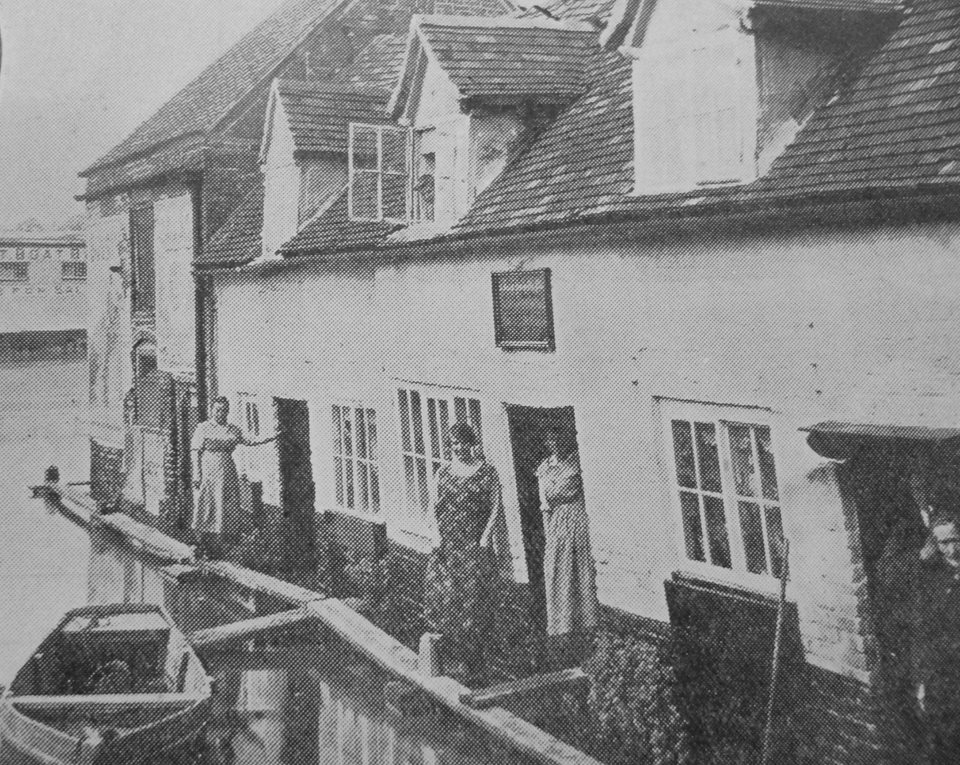
Summer floods, of course, are rare and therefore catastrophic. They ruin the crops and catch the farmers’ stock in the river meadows. Nobody is prepared for them. This flood [the Great Flood of 1924] soon began to bring down with it not only debris but a strange harvest from the river’s upper reaches. Haycocks, half submerged like ice-bergs; empty boats, torn from light summer moorings; drowned cattle, sheep and pigs; a carthorse, swimming, which someone skilfully lassoed and dragged ashore.
NEW! ENVIRONMENTAL ISSUES
Geography and History KS2 & KS3. This workshop delves into the natural world and the impact we have on the planet. The pupils will consider the issues the environment is facing at the moment, and the ways in which we can make a small difference at home to help, such as recycling. This session also delves into renewable energy sources, water usage and the effects of climate change. The pupils will also explore the Merchant’s House to discover how past generations lived, and how everyday objects were made from recyclable materials. Are we more environmentally friendly than the Tudors? Or do we still have a lot to learn from our ancestors?
This new session would work perfectly with the Flooding Workshop, as both consider the natural world and the impact we have on the planet.

“The messages about the environment were very clear and well delivered. The children engaged well in the discussions that were asked of them, and I feel it reinforced messages that the school delivers on the environment, which was fantastic. I really like the pledge idea too. The children loved the hands-on element of the Merchant’s House – it was excellent. Thank you for inviting us, the children will have got a lot from their morning with you.”